
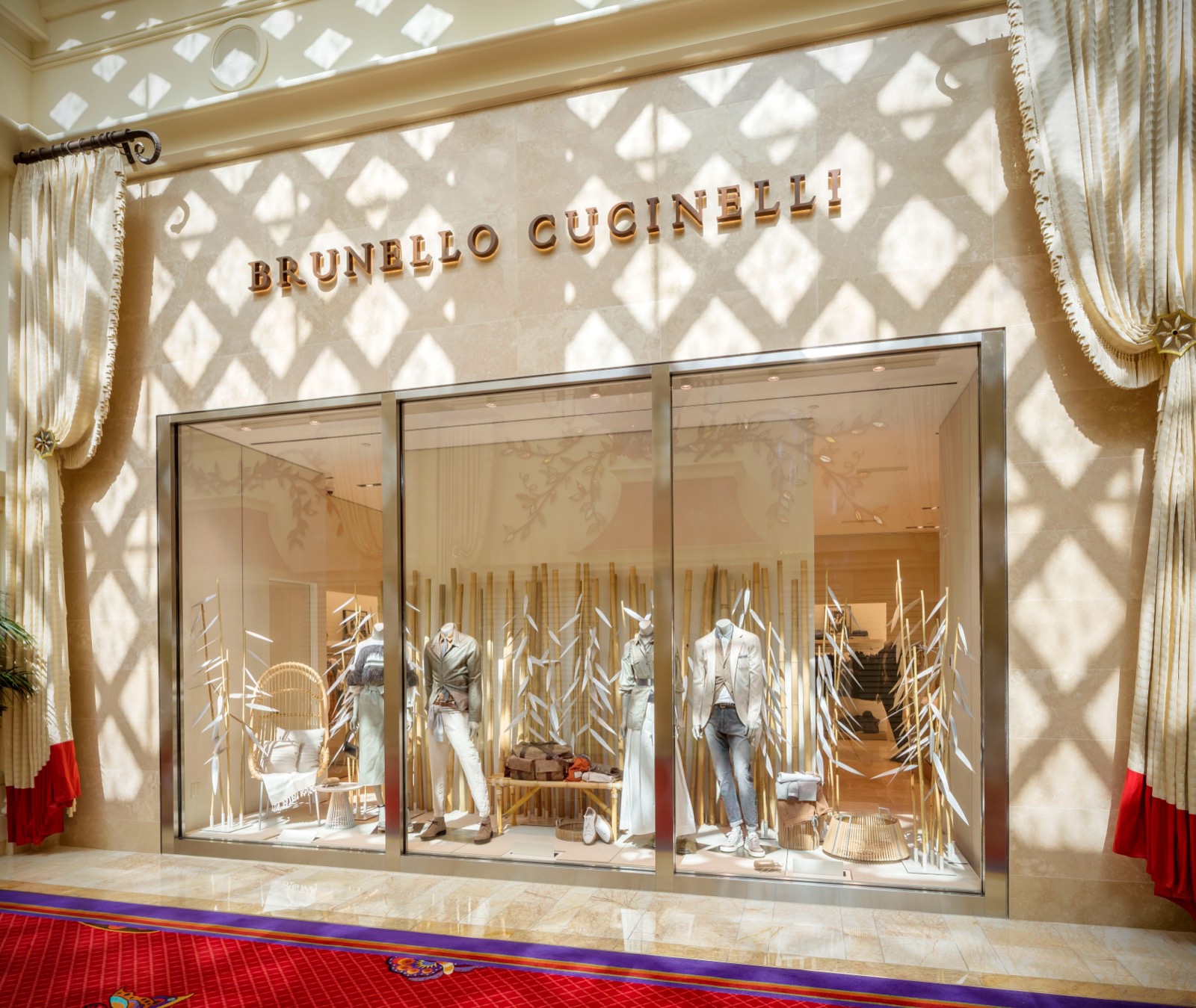
In May 2018 I photographed the Brunello Cucinelli boutique at Wynn Las Vegas for my company Studio J Inc. Luxury fashion retail photography doesn’t get more demanding than this, because a house like Brunello Cucinelli is built on quiet craft. Founded in 1978 in the village of Solomeo, Italy, the brand is known around the world for its cashmere and its Italian made ready to wear, and every frame I made had to feel as calm and as deliberate as the clothing on the racks.
This job came to me through a referral, and I’m proud of how it happened. The Wynn recommended Studio J Inc. to the retailer, and Brunello Cucinelli hired me directly. When a resort sees your work day in and day out and then sends one of its luxury tenants your way, that is the highest compliment I can get. It also sets the bar. The photographs have to live up to the standard of the resort and the standard of the house.
A boutique inside a resort is not just another shop floor. The brand’s marketing team, its partners, and the press all need images that show the materials, the light, and the merchandise the way the house intends them to feel. If the lighting is harsh or the racks look crowded, the photograph contradicts everything the brand stands for. I approach every boutique the way I approach all of my commercial retail photography: plan the look, control the light, and deliver finals that hold up in print and on screen.
Styling the boutique to be photo ready
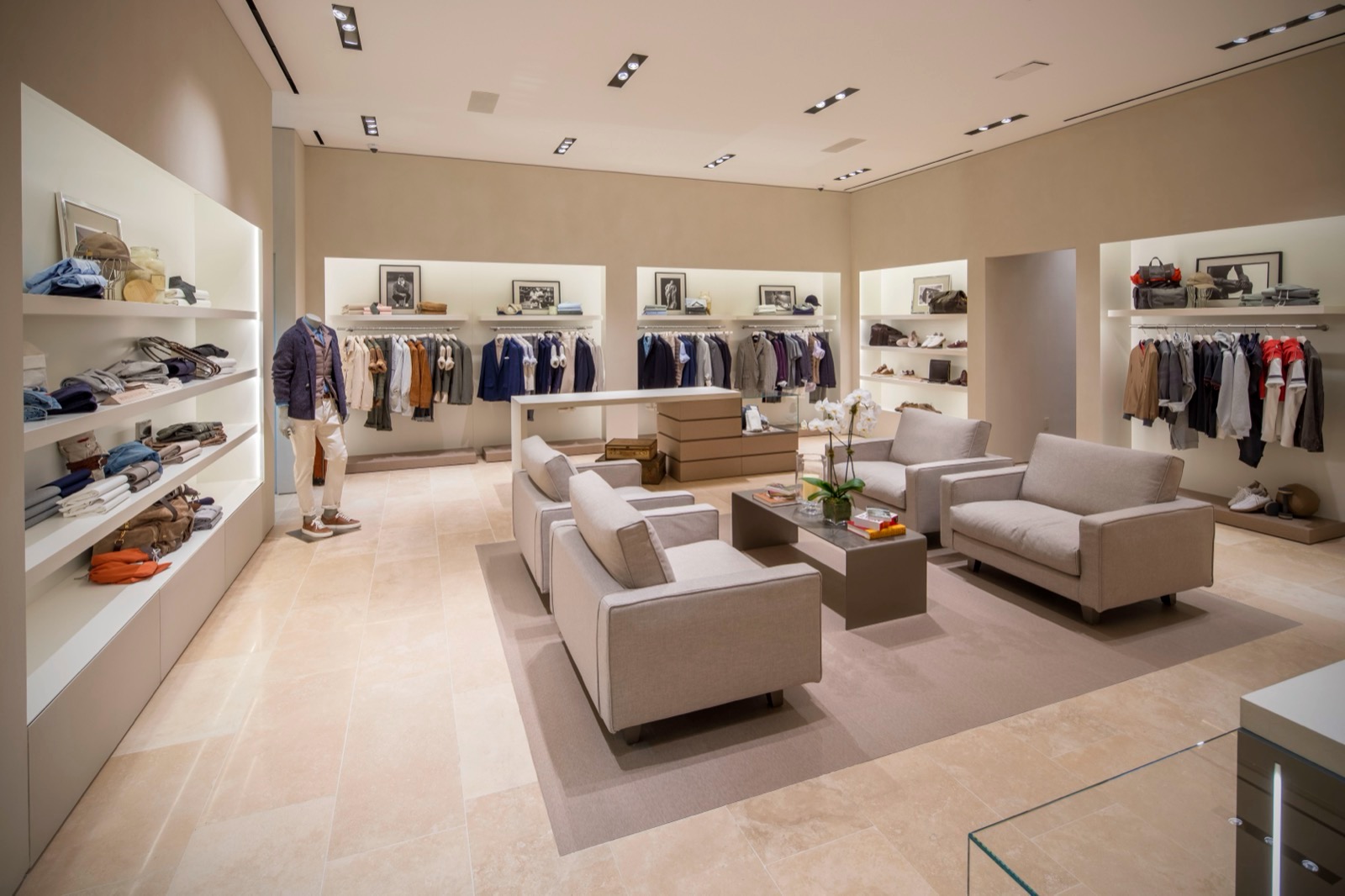
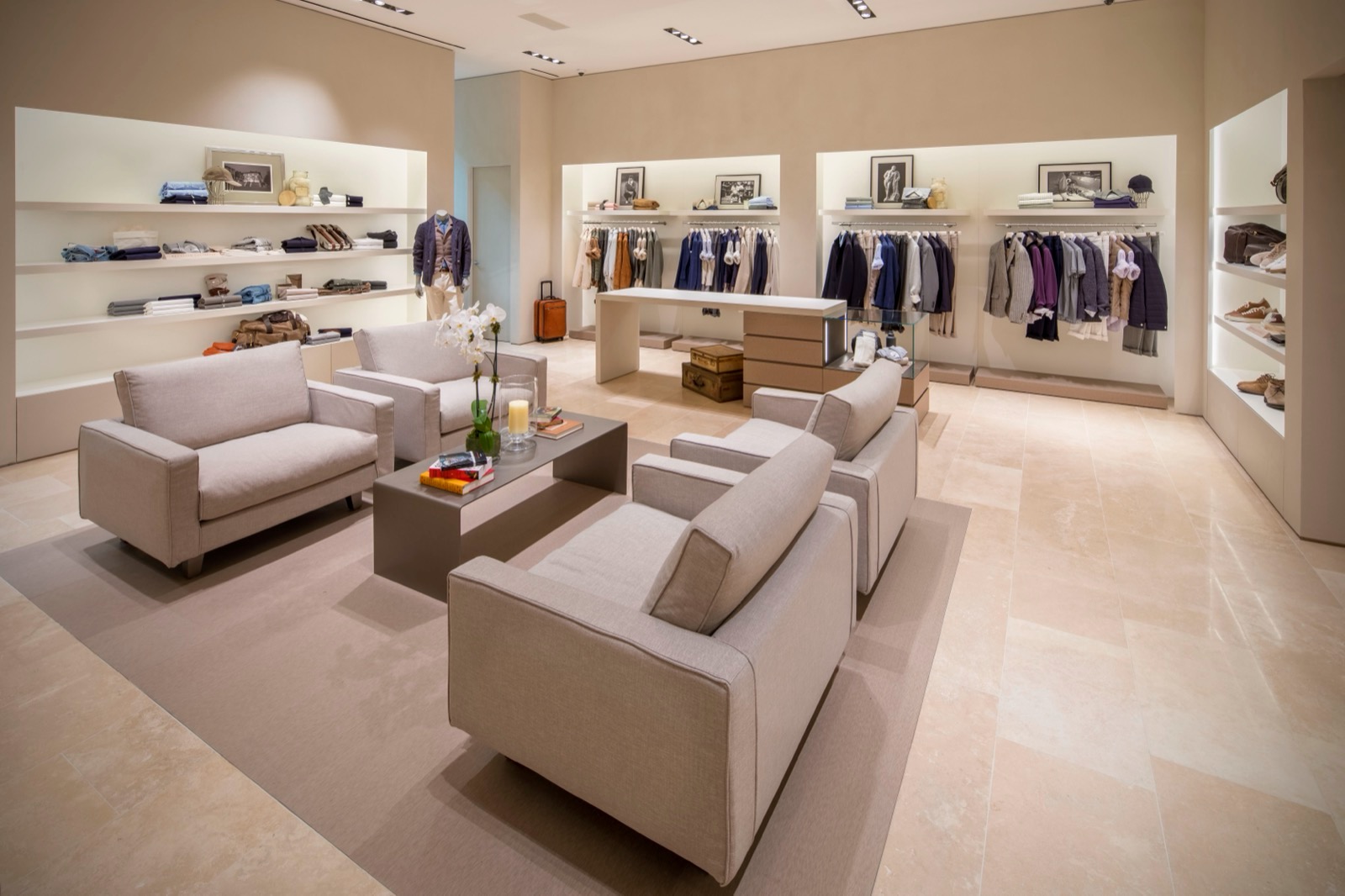
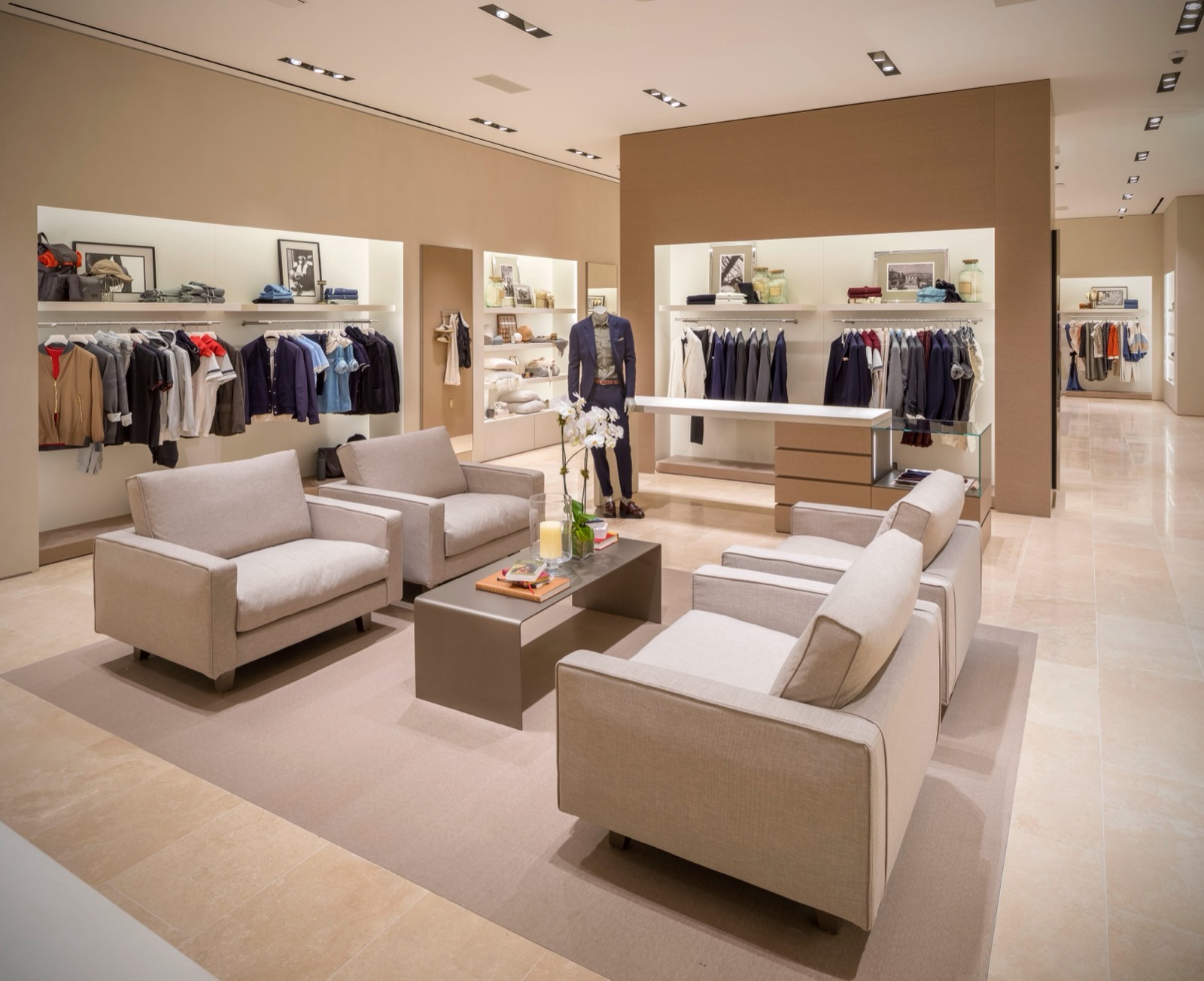
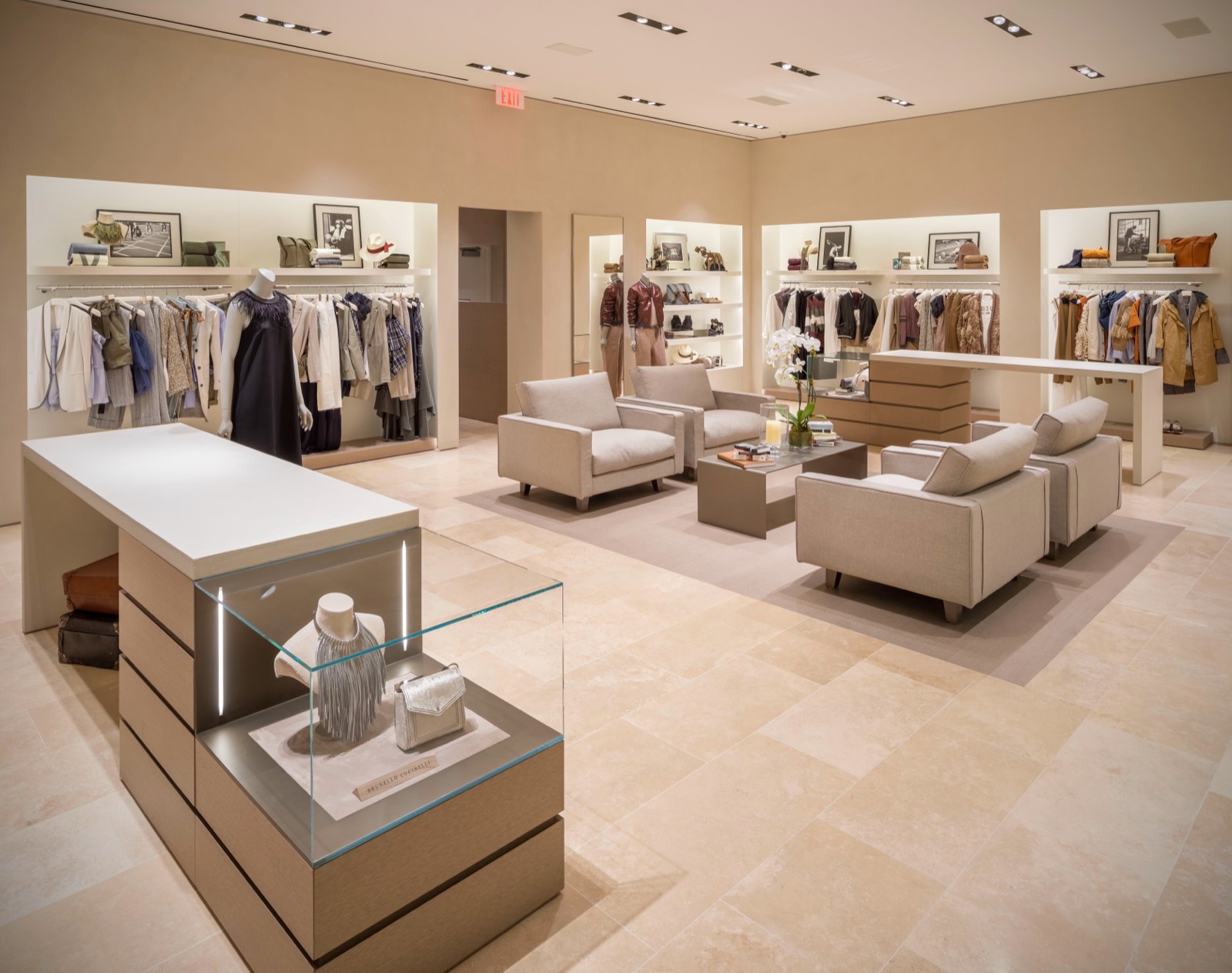
Before I make a single frame, I work the floor with the store team to get the boutique photo ready. I want the racks spaced so every garment breathes, nothing cluttered, the folded knits on the shelves squared and even, and the cash wrap completely clear. Every light gets aimed and every piece finds its place before I make the first exposure. That merchandising pass is essential to the way I work. It is the difference between a photograph of a store and a photograph of a brand.
I also bring the store manager right into the process. I have them proof the images on the laptop or on the back of the camera while we shoot, so the spacing, the styling, and the lighting aim are right in the frame and never fixed later as an afterthought. When the manager signs off while looking at the live capture, the finals leave the session already aligned with how the brand wants the room to read.
Lighting the space and balancing mixed light
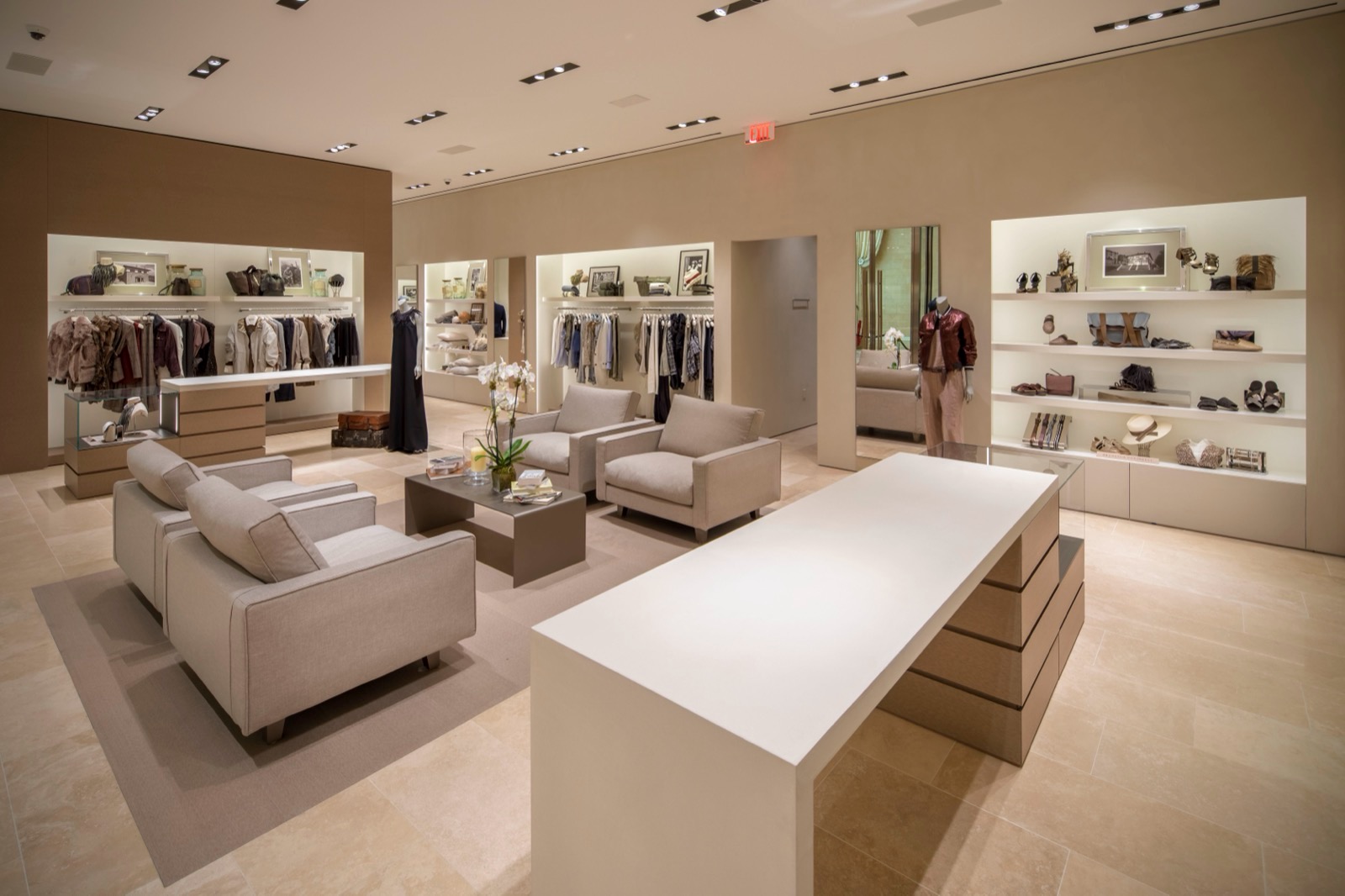
Then there is the light, and this is where I fall in love with the work. This boutique is a study in warm neutrals: travertine floors, linen colored seating, and backlit wall niches that glow around each collection. Inside, the room is lit by recessed ceiling spots and the soft glow of those niches. Out front, the Wynn brings its own light, with patterns falling through the lattice and painting diamonds across the stone facade. Every one of those sources has its own color. If I let one of them win, the creams turn yellow or the stone goes gray. So I aim the interior lights where they need to land, read the mix carefully, and build each frame so the color stays true from the storefront all the way to the back wall.
Knowing when to shoot
Great retail photography starts long before I unpack a light. It starts with knowing when to shoot. I study how daylight finds its way into the boutique from outside, how strong it gets, and where it falls across the floor through the day. Then I read the interior. Is the store lit with warm tungsten, cooler LED, or a mix of both? Every source carries its own color temperature, and my job is to isolate each one so I can control it instead of fighting it. Once I understand the room, I advise my client on the best time of day to shoot, when the outside light and the interior light work together rather than against each other.
Of course, the ideal time isn’t always on the table. A boutique has shoppers, staff schedules, and a resort operating all around it, and sometimes the only window is the one you’re given. When that happens, I take what I get and make it work. That is where experience pays off: reading the light I have in that moment, balancing it with my own, and still delivering frames that look as if the light was perfect all along.
I photograph a boutique like this the same way I photograph architecture, because that is exactly what it is. I work with architectural lenses, true architectural glass, so the verticals of the storefront stay straight and the lines of the shelving, the niches and the ceiling read clean and true instead of leaning or bending at the edges. Precise glass is what lets the quality of the light and the craft of the space come through. When the timing is right, the color is controlled and the lens is honest, the room looks in the photograph exactly the way it feels when you walk through the door.
Being present on the assignment
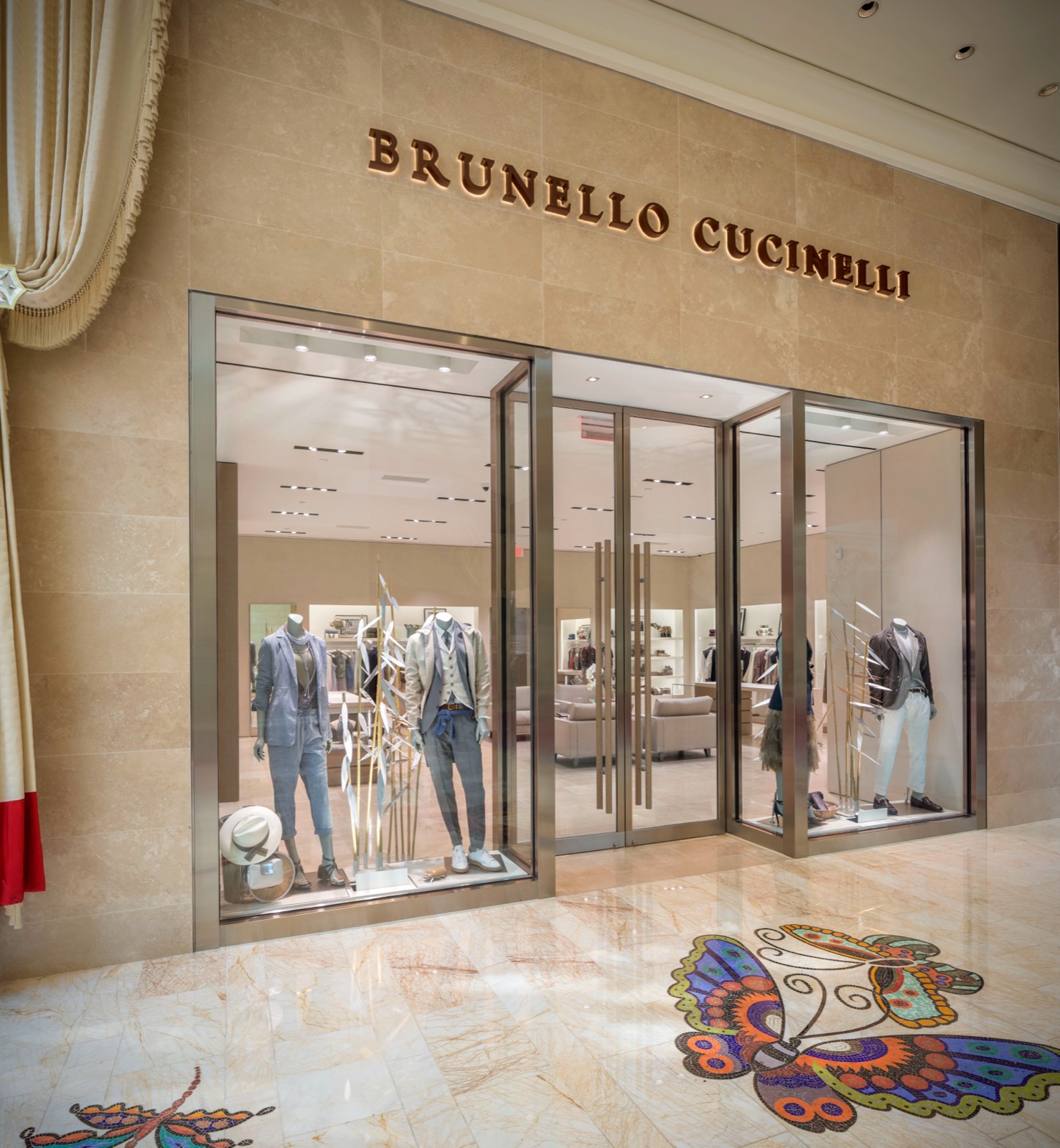
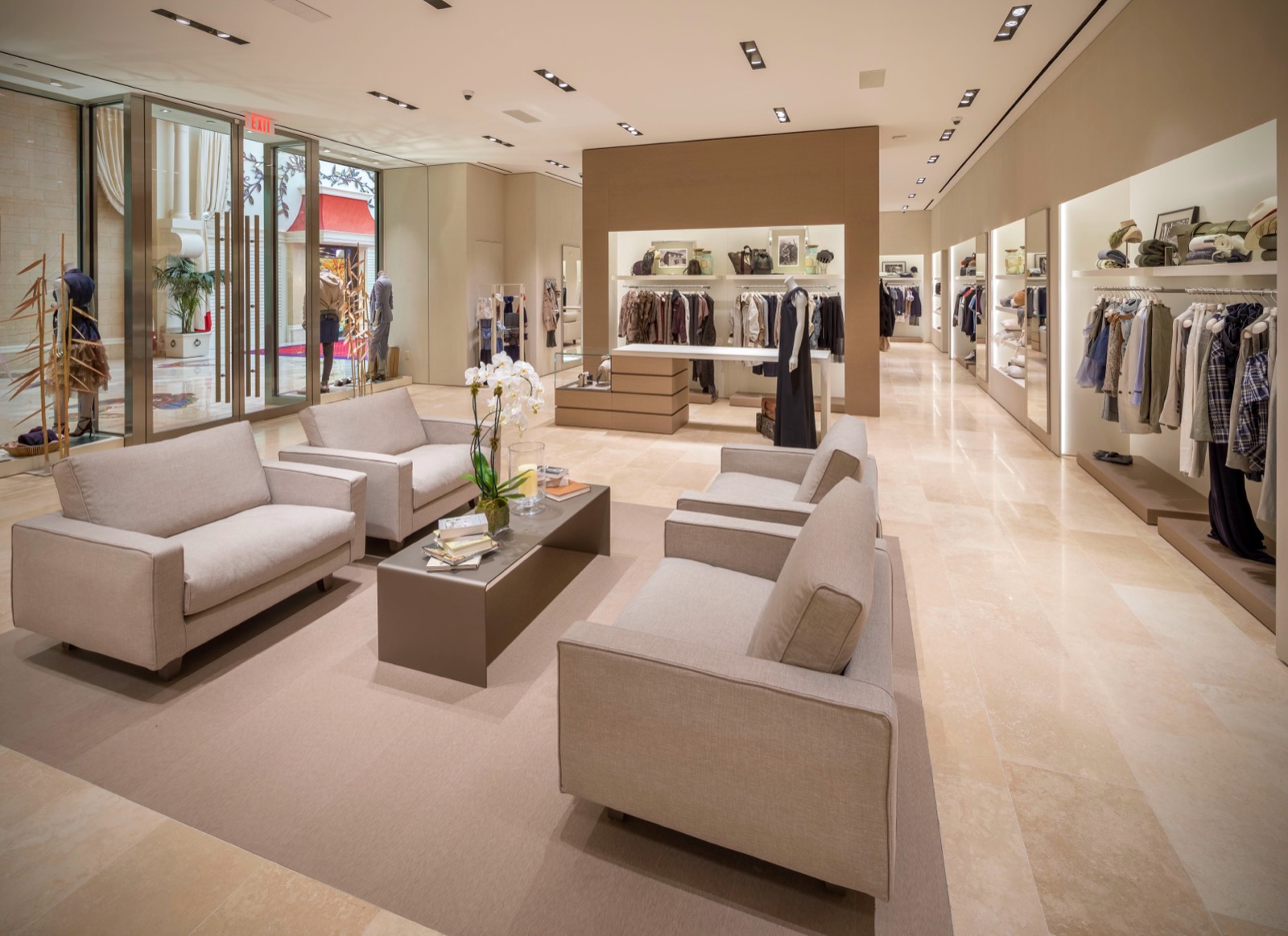
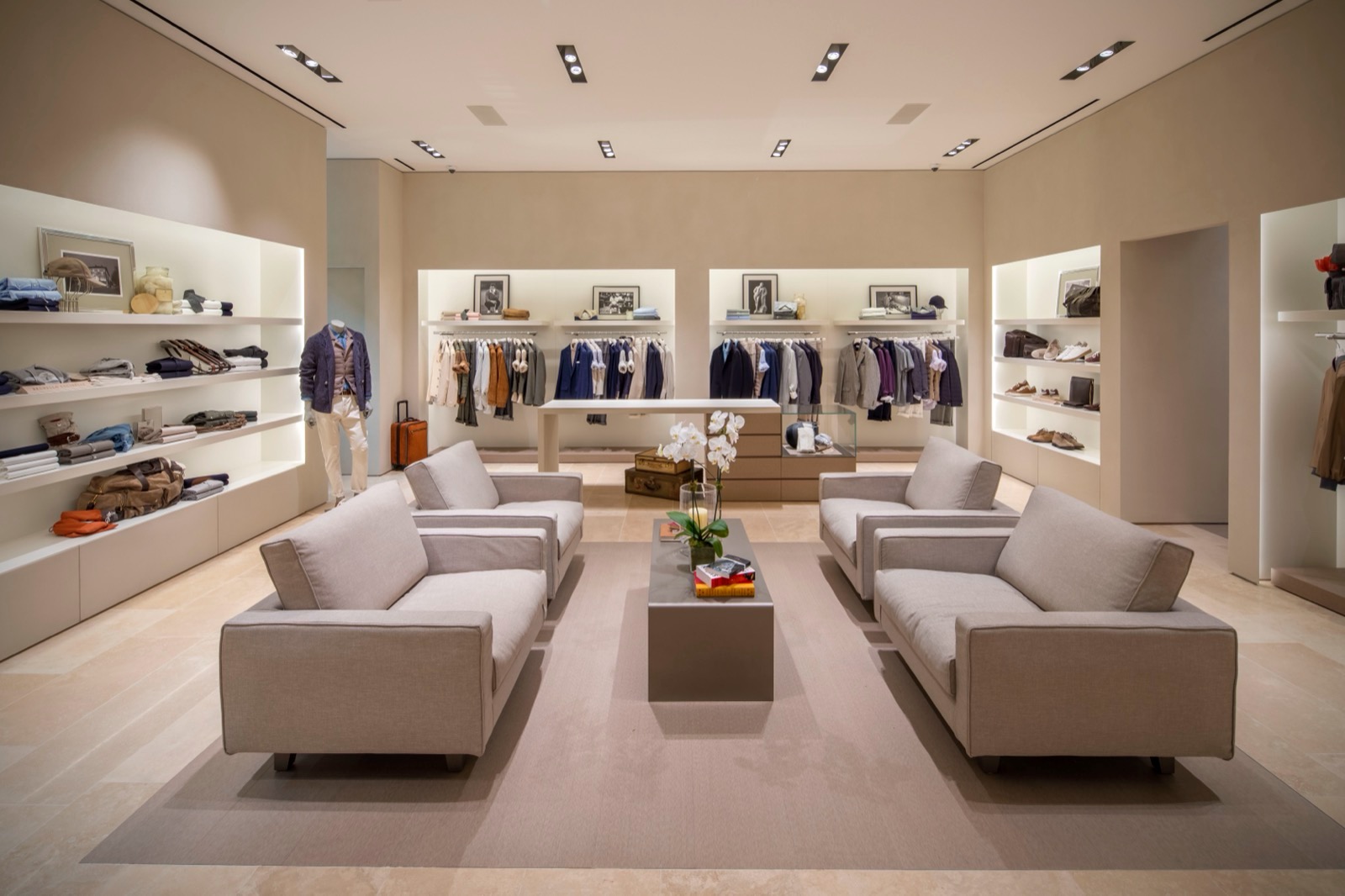
I stay present for every minute of an assignment like this. I am not walking through with a phone. I am on the floor with my camera, reading the room, watching how a shopper’s eye travels from the entrance to the lounge to the shelves, and composing for that path. Wide architectural frames carry the space, while tighter views pick up the vitrines, the accessories wall, and the small details that make a Brunello Cucinelli boutique feel like Brunello Cucinelli. Color, contrast, and finish stay locked across the whole set, so the gallery reads as one campaign. When the workflow calls for it I shoot tethered, and I document my lighting so a return visit can match the look exactly.
If luxury retail is your world, you can see the same care in my post on Loewe at The Crystals, in my resort and casino architecture work, and in residential projects like the Waldorf Astoria. You can also find the boutique today on its Brunello Cucinelli boutique page within the Wynn shops.
The Brunello Cucinelli at Wynn Las Vegas gallery
Here are my finals from the shoot, moving from the entrance through the lounge, the menswear salon and the tailoring, to the vitrines and the accessories wall, each one styled and lit as carefully as the first.
Studio J Inc. has been capturing architectural photography for 26 years in Las Vegas and around the world. If you have any questions about this project, or about a similar upcoming project, please don’t hesitate to contact Eric Jamison.
0 Comments